The Ultimate European Islands Encyclopedia
Europe, told island by island.
An editorial guide to European islands — from volcanic Mediterranean calderas and Atlantic laurel forests to Baltic medieval towns, North Sea dunes and Arctic peaks. Geography, history, culture and practical travel insight in one place.
Featured encyclopedia entries
The best European islands, from caldera to fjord
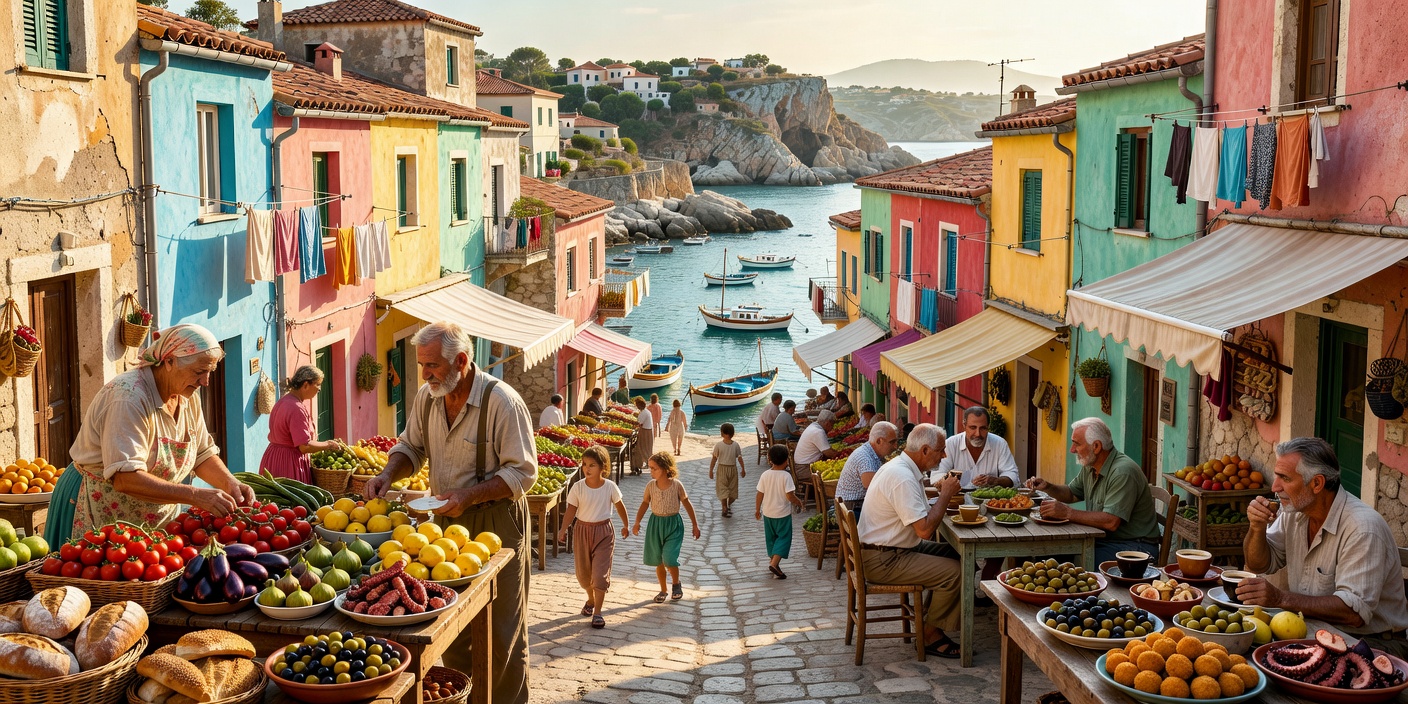
A deliberately balanced collection: celebrated Mediterranean islands alongside distinctive Atlantic, Baltic, North Sea and Arctic islands that reveal the full diversity of island Europe.
Illustrated chart
Islands in Europe, plotted by latitude
From Madeira at roughly 32° north to Lofoten above the Arctic Circle, Europe's islands span more than 35 degrees of latitude. Select any marker to open its encyclopedia entry.
- Arctic & Norwegian Sea — Lofoten
- North Sea & Baltic — Sylt, Gotland
- Atlantic — Isle of Skye, Madeira
- Mediterranean — Mallorca, Sicily, Santorini
Geographic navigation
Five seas, five island worlds
Europe's islands differ enormously by sea. Choose a region to see its islands in the catalogue, or read the regional guide for context.
Editor's essay
Mediterranean light, Atlantic weather, northern silence
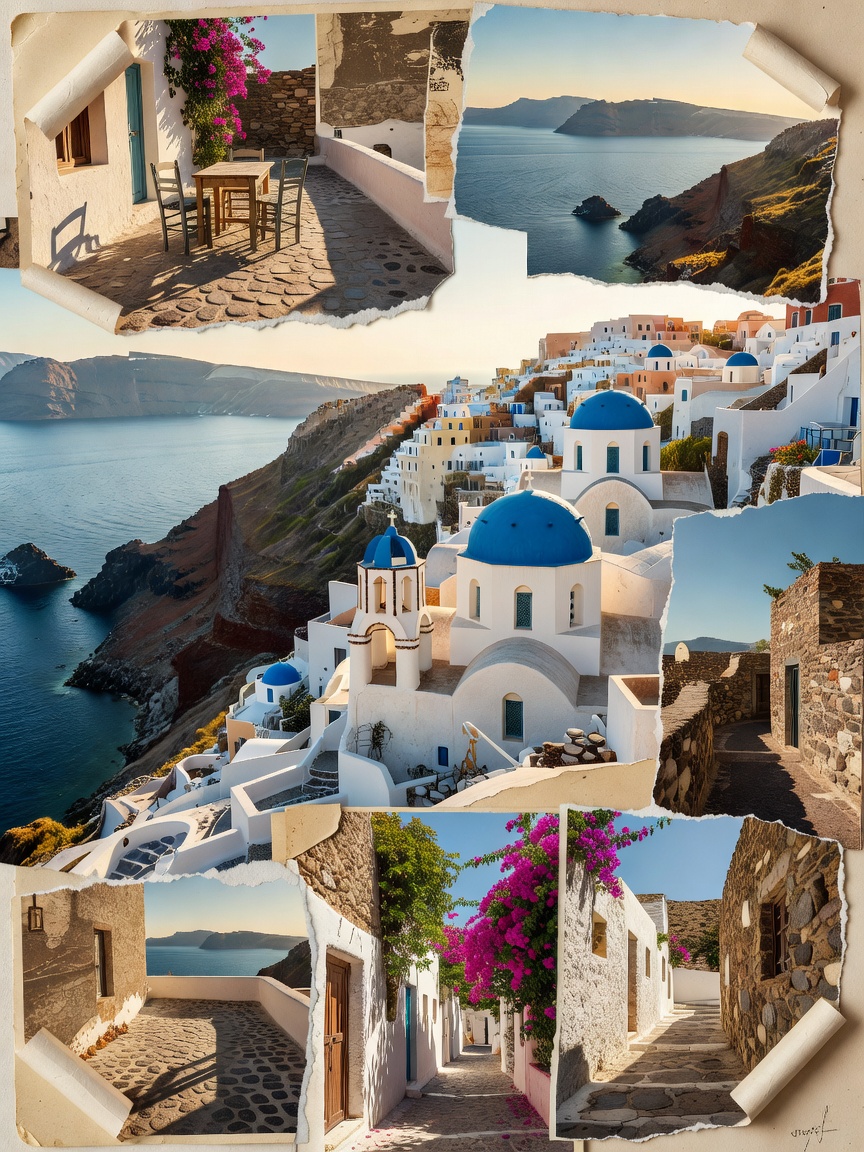
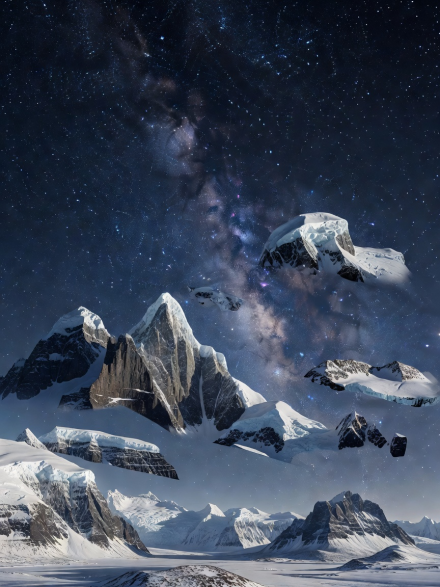
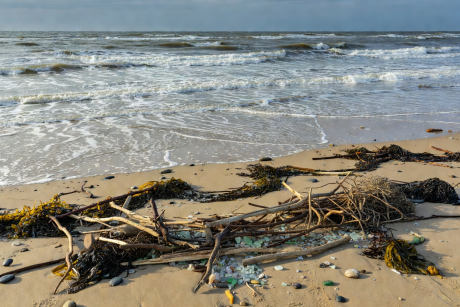
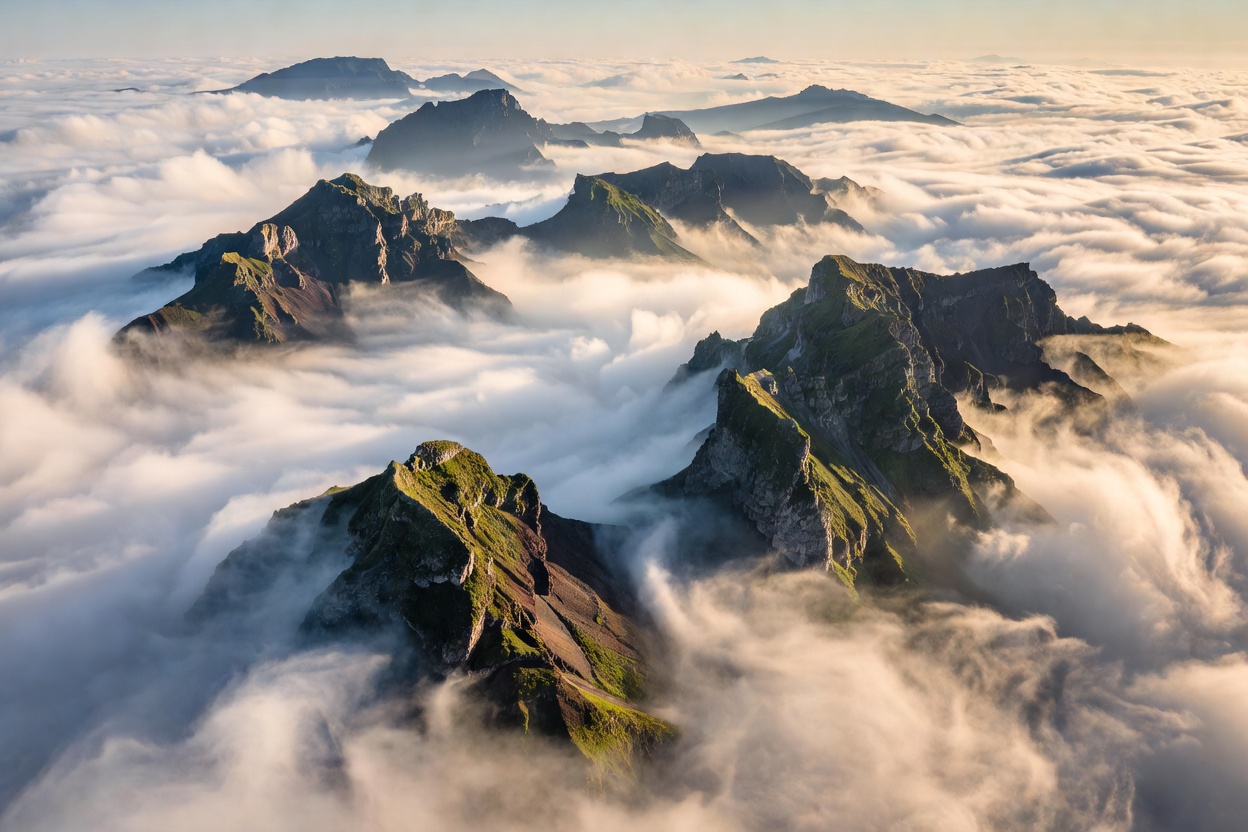
An island is never just a coastline. Volcanic Santorini and Madeira rise from the sea floor; limestone Gotland and Mallorca were built by ancient marine life; Sylt is a restless bar of sand; Lofoten's peaks were carved by ice.
“Geography decides what grows, how people build, what they eat — and how you should travel.”
Read the European island guide
Editorial standards
How to read this encyclopedia
Every entry separates verifiable facts from description and recommendation, so you always know what kind of information you are reading.
Geographical facts
Location, area, landforms and climate. Figures are approximate and sourced from widely cited references.
Historical record
Established events and periods. Dates follow broadly accepted scholarship, with ranges where debated.
Cultural description
Traditions, cuisine and identity — described respectfully and in general terms.
Travel recommendation
Editorial suggestions on timing and logistics. Always verify with official providers.
Frequently asked
European islands: common questions
What is the largest island in the Mediterranean?
Sicily is the largest Mediterranean island, with a main-island area of roughly 25,700 km². Sardinia is second.
Which European islands are good outside summer?
Madeira has a mild climate year-round. Lofoten offers northern lights from roughly September to March on clear, dark nights. Mediterranean islands are often pleasant in spring and autumn, though many seasonal businesses close in winter.
Can I reach European islands without flying?
Many can be reached by ferry, bridge or rail — for example Skye by bridge, Sylt by rail causeway, Gotland and Mallorca by ferry. Always check current services with operators.
Does Mybestrankcompss sell trips or bookings?
No. We are an independent editorial encyclopedia and do not process bookings or travel transactions. Each entry links to official destination resources.