Mediterranean, Atlantic and northern islands
Europe has thousands of islands, from inhabited giants such as Great Britain, Iceland and Sicily to countless skerries and islets. For travellers, the most useful way to understand them is by sea: each body of water brings its own climate, ecology and history.
Mediterranean
Atlantic
- Ocean-moderated temperatures, more rain and wind
- Strong swell and, in the north, large tides
- Greener landscapes, Celtic and Macaronesian cultures
- Examples: Madeira, Isle of Skye
Baltic, North Sea & Arctic
The Baltic Sea is brackish and nearly tideless, while the North Sea's Wadden coast has tidal flats exposed twice a day. Arctic islands such as Lofoten experience midnight sun in early summer and polar night around midwinter.
How European islands form
Island geography explains much of what visitors experience — soil, water supply, building materials and even food.
Volcanic islands
Built by eruptions, often with steep slopes and fertile soils. Santorini's caldera and Madeira's mountains are volcanic, as are the Azores and Canary Islands. Sicily's Mount Etna is one of the world's most active volcanoes.
Limestone and continental islands
Many Mediterranean islands, including Mallorca, are fragments of mountain ranges, with limestone karst, caves and coves. Gotland is a low limestone plateau formed from ancient reef deposits, with sea stacks shaped by erosion.
Sandy barrier and dune islands
The Frisian Islands, including Sylt, are dynamic bodies of sand shaped by currents and storms, protecting the Wadden Sea behind them.
Glacially carved islands
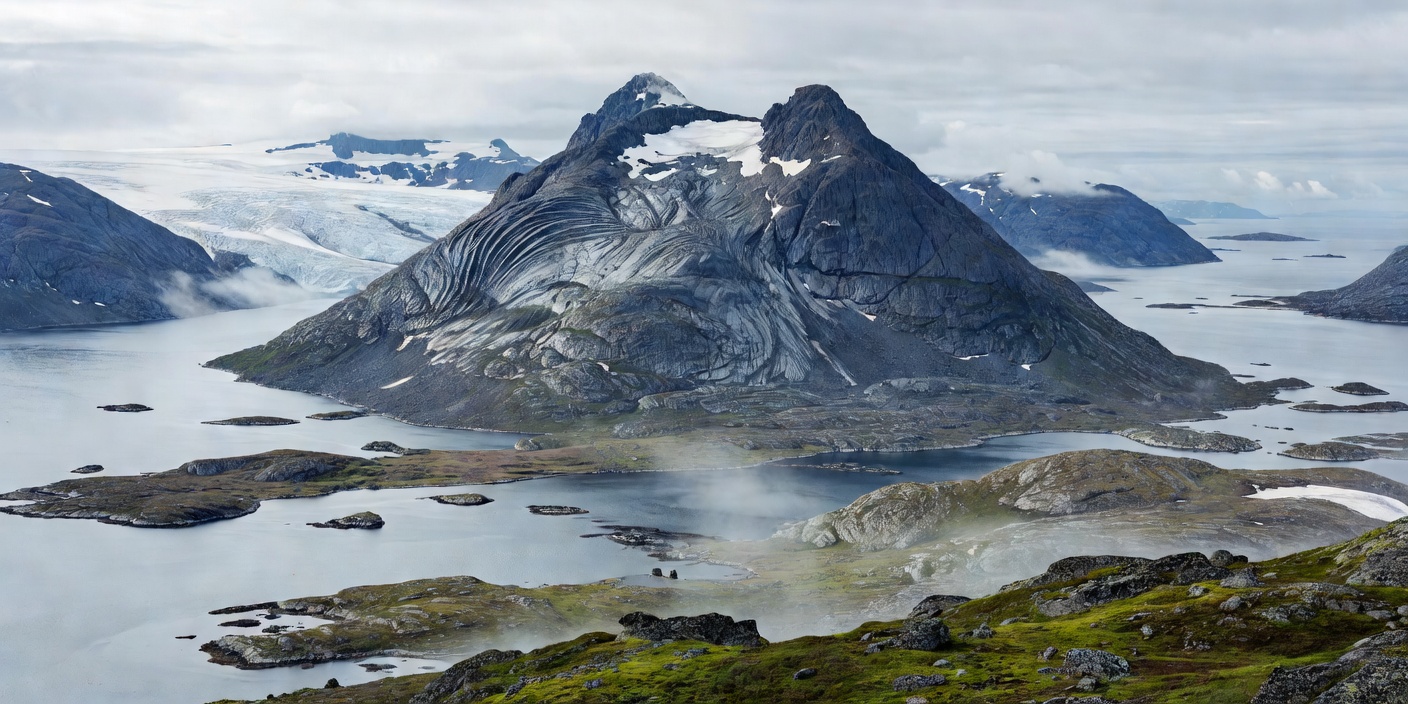
Northern archipelagos such as Lofoten and the Hebrides were sculpted by ice, leaving sharp peaks, fjords and sea lochs.
European island groups glossary
| Island group | Country | Sea | Character |
|---|---|---|---|
| Cyclades | Greece | Aegean | Arid islands circling Delos, whitewashed villages |
| Balearic Islands | Spain | Balearic Sea | Mallorca, Menorca, Ibiza, Formentera |
| Aeolian Islands | Italy | Tyrrhenian | Volcanic archipelago north of Sicily |
| Macaronesia | Portugal & Spain | Atlantic | Azores, Madeira, Canary Islands (and Cabo Verde outside Europe) |
| Hebrides | United Kingdom | Atlantic | Inner and Outer Hebrides, Gaelic heartland |
| Frisian Islands | Netherlands, Germany, Denmark | North Sea | Sandy barrier islands along the Wadden Sea |
| Lofoten & Vesterålen | Norway | Norwegian Sea | Arctic peaks and fishing villages |
| Åland | Finland | Baltic | Autonomous, Swedish-speaking archipelago |
Planning a trip to European islands
Islands concentrate demand into small spaces. Accommodation, rental cars and ferry capacity can be limited, especially in July and August and around major festivals.
- Decide whether you want depth (one island, slower travel) or variety (two or three islands linked by ferry).
- Check whether the island's main attractions depend on weather — mountain hikes, boat trips and aurora viewing all do.
- Review entry requirements for your nationality; rules for travel within and into Europe can change.
- Consider travel insurance that covers weather-related disruption to ferries and flights.
- Look up local visitor taxes or trail fees, which several islands apply.
Ferries, bridges, causeways & flights
Access shapes the island experience. Some islands are linked to the mainland by fixed connections: Skye by bridge, Sylt by a rail causeway. Others depend on ferries (Gotland, the Cyclades, Balearics) or mainly on flights (Madeira).
Ferry routes are frequently seasonal, and strong winds — the Aegean meltemi, Atlantic gales, Arctic storms — can cause cancellations. Build buffer time into itineraries, particularly before international flights home.
Island hopping in Europe: route concepts
The following are planning concepts, not schedules. Connections vary by season and year.
Cyclades circuit
Combine Santorini with neighbouring Cyclades islands such as Naxos, Paros or Milos, which are commonly linked by seasonal ferries.
Sicily & the Aeolians
Pair Sicily's cities and Etna with the volcanic Aeolian Islands, reached by boat from northern Sicilian ports.
Balearic pairing
Mallorca's mountains with quieter Menorca, its UNESCO Biosphere Reserve neighbour.
Hebridean chain
From Skye, ferries from Uig serve the Outer Hebrides, including Harris and North Uist.
Frisian islands
From Sylt, seasonal connections have linked neighbouring islands such as Amrum and Föhr — check current services.
Lofoten to Vesterålen
Follow the road north from Lofoten into the Vesterålen islands, known for whale-watching from Andenes.
Cultural etiquette on European islands
Island communities are small, and visitors are noticed. A few general principles apply widely:
- Dress modestly when visiting churches and monasteries — covered shoulders and knees are often expected in Mediterranean regions.
- Learn a few words of the local language: Greek, Italian, Catalan, Portuguese, Gaelic, Swedish, German or Norwegian greetings are appreciated.
- Respect private property, including farmland, fishing equipment and drying racks.
- Observe quiet hours in villages and on Sundays where customary.
- Ask before photographing people, especially at religious events.
Island food traditions
Island cuisines reflect isolation, trade and terrain. Volcanic soils produce distinctive wines in Santorini and on Etna's slopes; Atlantic islands celebrate seafood and preserved fish; Madeira gave its name to a fortified wine; Lofoten's stockfish has been traded across Europe for centuries.
Nature and wildlife on European islands
Isolation produces endemic species — Madeira's Zino's petrel and Madeiran firecrest are notable examples. Northern islands host seabird colonies and white-tailed eagles, while the Wadden Sea is one of the world's most important stopover areas for migratory birds. Mediterranean seagrass meadows of Posidonia oceanica underpin coastal ecosystems.
Keep distance from nesting birds and marine mammals, and choose wildlife operators that follow responsible approach guidelines.
Sustainable island tourism
Small islands face particular pressures: limited fresh water, waste disposal, housing shortages and erosion of fragile habitats. Responsible choices make a measurable difference.
- Travel in shoulder seasons and stay longer rather than making brief day visits.
- Save water, especially on islands relying on desalination or limited groundwater.
- Stay on marked trails and boardwalks; dunes and laurel forest are easily damaged.
- Use public transport, bikes or ferries where practical.
- Support locally owned accommodation, restaurants and producers.
- Pay visitor taxes and fees willingly — many fund conservation and infrastructure.
Seasonal calendar for European islands
| Region | Spring | Summer | Autumn | Winter |
|---|---|---|---|---|
| Mediterranean | Ideal for walking, wildflowers | Hot, busiest, warm sea | Warm sea, fewer crowds | Quiet; many seasonal closures |
| Atlantic (Madeira) | Flowers, mild | Driest for summit hikes | Mild, pleasant | Mild, wetter at altitude |
| Atlantic (Hebrides) | Long days, fewer midges | Busy, midges | Atmospheric, quieter | Short days, storms |
| Baltic & North Sea | Birdlife, cool | Peak beach season | Migration, calm | Cold, quiet, traditions |
| Arctic (Lofoten) | Skrei season ends, lengthening days | Midnight sun, hiking | Aurora begins | Aurora, polar night, harsh weather |
Complementary destinations & more islands in Europe
Mainland gateways: Athens for the Cyclades; Naples and Calabria for Sicily; Barcelona and Valencia for the Balearics; Lisbon for Madeira; Inverness and the Highlands for Skye; Stockholm for Gotland; Hamburg for Sylt; Bodø for Lofoten.
Other European islands to explore: Crete, Corsica, Sardinia, Malta, the Azores, the Canary Islands, the Faroe Islands, Bornholm, Åland, Texel, Hvar and Iceland — each offering a different perspective on island Europe.
Browse the island catalogueEuropean island travel FAQ
What is the difference between Mediterranean and Atlantic islands?
Mediterranean islands typically have hot, dry summers, ancient urban histories and warm seas. Atlantic islands are shaped by ocean-moderated, wetter climates, stronger swell and tides, and often greener landscapes.
When is the best time for island hopping in Europe?
For the Mediterranean, late spring and early autumn usually balance warm weather, operating ferries and fewer crowds. Northern islands are generally best from late spring to early autumn, except for winter aurora trips.
Are European islands expensive?
Costs vary widely by island, season and travel style. Prices often rise sharply in peak summer; shoulder seasons can be better value.